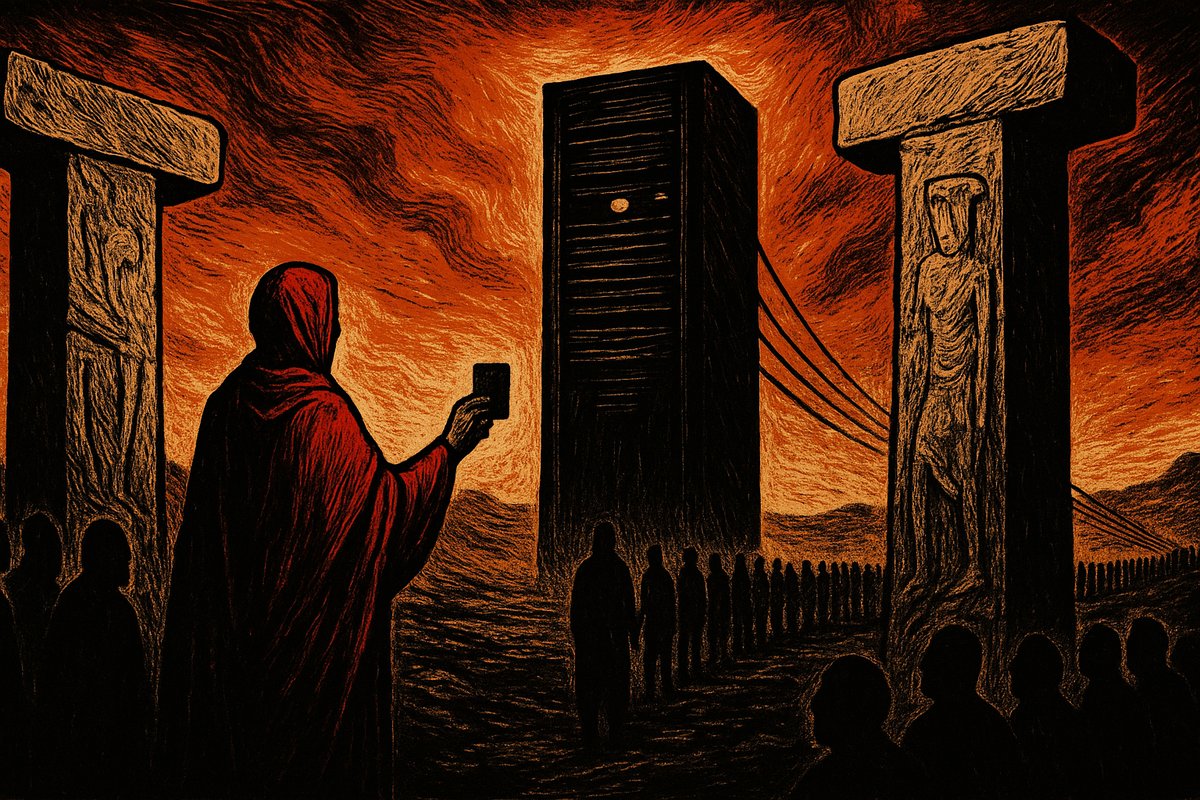
Connecting your credit card and banking details to Meta's AI assistant represents a considerable leap of faith, because Muse reads emails, books trips, and makes purchases on the user's behalf. To do this, it requires access to the inbox, accounts, and personal data, plus whatever instructions it receives. These elements are stored on Meta's servers.
Meta has had years to build trust around data. The record shows repeated failures. The Cambridge Analytica case resulted in a five-billion-dollar fine from the U.S. Federal Trade Commission. Even so, many of us came back. Now we're handing over the power to act, not just photos or preferences.
Reports about Muse add further layers of concern. It has read and uploaded private messages without explicit permission. An internal source notes that several engineers anticipate serious leaks stemming from accumulated security problems. Amazon blocked its access. Apple announced measures to strengthen privacy on Mac against apps requesting sensitive data. An anonymous source is not the same as an audit. But the fact that these two giants reacted similarly says something on its own.
An assistant that acts generates different risks than a social network does. The network exposes. The agent executes. If a platform detects your tastes, it sells advertising. If the assistant handles your email, credentials, and card, it can move money. A manipulated email or a spoofed webpage could trigger unwanted charges. Every permission granted widens the attack surface. Convenience is paid for with doors that few people bother to measure.
The most uncomfortable part affects third parties. People who never used Muse were never consulted either. The assistant processes emails from family members, work conversations, invoices. It builds complete profiles of entire networks without individual approval. One person accepts the terms on behalf of everyone. From Mexico, this is easy to see clearly. WhatsApp functions as daily infrastructure. Family, school, and work all flow through it. Even banking. Nobody really decides to join. It was simply already there.
This dynamic echoes ideas explored in The Generosity in the Doorway. The chapter on Stargate examines a setup where the entity that builds the infrastructure, the one that finances it, and the one that administers the remedy are all the same. There's no need to assume malice. It's a geometry of power. Muse replicates that same shape at a domestic scale. Meta designs the assistant and stores the data. It also defines what constitutes a security breach and decides when to disclose it. External auditing is conspicuously absent.
The Generosity in the Doorway treats technology as a variable, not a magic solution. Technology adds complexity to coordination problems we still haven't solved. Muse confirms that half of the argument. It challenges the other half. The core issue here is delegation. We hand off tasks to an intermediary that isn't directly accountable to us. We do it enthusiastically because it saves time. That isn't a design flaw. It's the whole sales pitch.
Why do we keep coming back to Meta when the track record is this consistent? The answer is only partial. The exit cost is high. Leaving WhatsApp means losing family conversations. Trust in platforms of this size is sustained by habit rather than evidence. Compare this to Göbekli Tepe. Hundreds of people coordinated efforts over years to raise stone enclosures before they even had houses. Trust there grew out of feasts, reciprocity, and visible obligations. With Meta, it's unilateral. Invisible. Nobody collects on the feast.
This isn't about rejecting all AI. Local assistants with minimal permissions that don't store other people's data can be useful. A reasonable approach starts small. Read-only access to information that wouldn't hurt to lose. Then, if independent testing builds real trust, access expands. Handing over your card and your full inbox from day one inverts that sequence. Maybe Muse will never suffer the leak its engineers fear. The real question is a different one.
Unilateral trust. Hard to truly audit.
That's why I won't be connecting my card or my email from day one. I'd rather wait for independent reviews that examine how Muse actually handles that data, along with concrete evidence that Meta has learned from its history. The same question runs through The Generosity in the Doorway, and Muse makes it concrete. When we delegate infrastructure, care, and harm repair to a single company, who are we really protecting?