Apple sued OpenAI. Well, not exactly: the controversy stems from accusations of aggressive talent poaching. One company points at another for luring away key engineers with offers that skirt disloyalty. The specific detail matters less than the trend it exposes: organizations talk about theft and ownership as if talent were inventory. Few pause to consider the person at the center of that conflict.
An employment contract is an advance assignment of rights, because it redefines ownership over ideas that don't yet exist. The company hires creative potential without knowing its future shape. That's where the central conflict is born.
When someone joins an organization, they sign intellectual property, non-compete, and confidentiality documents. These texts establish that everything produced during employment belongs to the company. It sounds logical in principle: the organization protects itself, invests in the employee, and safeguards its secrets.
The problem lies in the wording. The language tends to be deliberately broad. It's not limited to what's related to the role's responsibilities, but covers anything generated during the employment period. That distinction changes everything.
People are hired precisely for their ability to innovate and solve problems. Then, in the fine print, they're asked to let that creativity stop being theirs. Companies want the spark, but only within limits they themselves define. They value accumulated experience while simultaneously claiming any idea that emerges, even in moments disconnected from work.
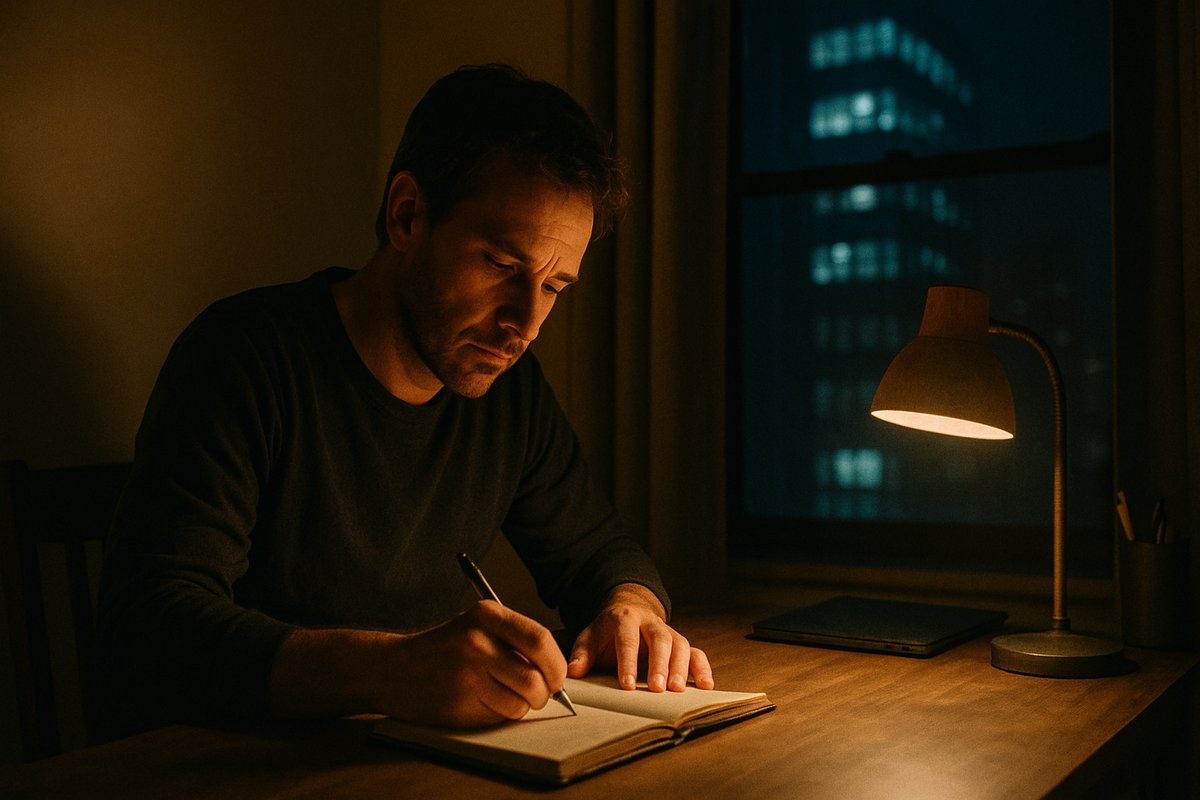
What happens when an employee creates something on their own time, without company resources, and discovers that it improves their daily work? The usual answer under these contracts is that if the idea gets applied on the job, it can be absorbed as corporate intellectual property. It was born outside, but got contaminated by being used inside. The employee gains efficiency, frees up time, and shows initiative. In the process, they lose control over their own creation.
This connects to what I develop in The Generosity in the Doorway, especially around the question underlying other questions: most debates about economics and labor focus on which clause is fair. What gets ignored is who has the power to write the rules and who accepts them out of necessity. The contract doesn't emerge from a negotiation between equals. One party designs it. The other signs it because they need to cover their expenses.
The same pattern of capture shows up in the advance of artificial intelligence. Jeff Bezos is pouring billions into Prometheus, a project aimed at replacing engineers. It operates under a logic similar to a non-compete clause: in both cases, whoever holds more power captures value generated by others and then defines why that's acceptable. The scale differs. The nature doesn't.
The same thing happens with statements from bankers like Jamie Dimon or Larry Fink. They clearly identify the challenges of automation and inequality. Their proposals, however, tend to reinforce their own institutional position. Diagnosing correctly doesn't guarantee equitable solutions when the one proposing benefits from the imbalance.
There's one scenario that's particularly hard to resolve. A person brings in ideas developed outside, integrates them into their work because they improve results, and the organization gradually reorients its offering around those same ideas. It's not direct theft, it's subtle absorption. The company notices the efficiency, traces its origin, and builds around it with no attribution or additional compensation. Broad contracts protect it legally. Ethically, it raises questions.
How can a person cleanly go to work wherever suits them best, using what they develop on their own time, without unknowingly handing it over? Reality shows that current agreements stretch ownership beyond what's reasonable and turn personal initiative into a legal risk. This matters because it reveals a dynamic where creativity is only valued so long as it can be appropriated.
Why do organizations prefer such sweeping clauses? Drafting with precision requires upfront effort from the legal team. Ambiguity, on the other hand, grants future flexibility that gets exercised only when convenient. It functions like an option exercised selectively.
This dynamic isn't limited to technology. It shows up in any field where individual contribution can generate unexpected value. It's reminiscent of historical patronage systems, where the creator ceded rights to the patron in exchange for protection. Stones Don't Lie explores precisely how power has shaped creation over time. I still don't have a clear sense of how to fully balance organizational protection with the real autonomy of those who generate the ideas.
I don't have a complete legal solution to offer. It would be misleading to pretend otherwise. The issue goes beyond contracts: it's about how power is distributed in the labor market. As long as one party dictates the terms and the other accepts them out of necessity, the clauses will keep favoring whoever writes them.
How can a creative person protect what they develop on their own time without having to hide it or unknowingly hand it over?