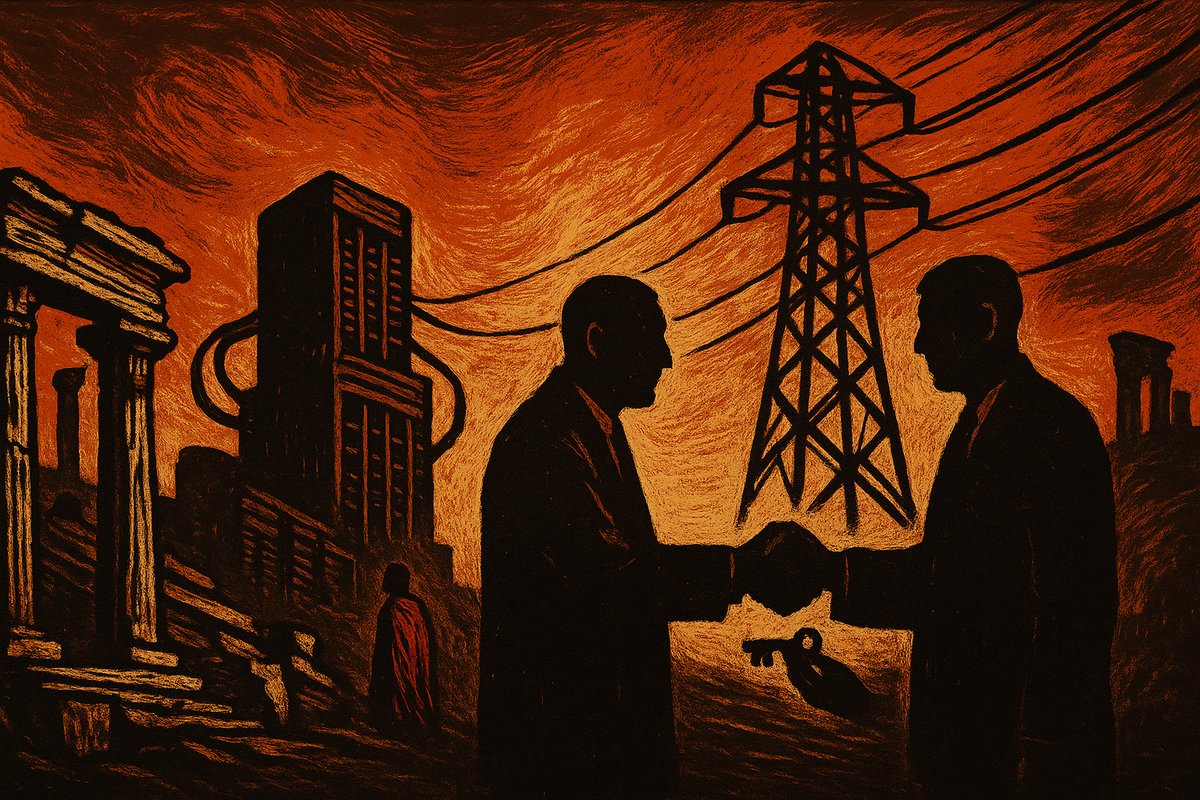
Saskatchewan requires that future data centers be owned by Canadian capital and operate on autonomous energy sources. The same regulatory document opens a direct exception for Bell Canada's project near Regina. That contradiction, concentrated on a single page, reveals how digital sovereignty policies tend to get built.
A data center is infrastructure that converts electricity into computational capacity, and that transformation determines who controls information processing at scale and decisions about access. The Canadian province established that any new facility must be in the hands of national capital and function without relying on the public power grid. The official justification cites data sovereignty and protection against foreign alternatives.
Bell Canada's project is exempt from the energy rule. It will connect directly to the provincial grid to speed up its development. A province with a little over a million residents makes these decisions because the concentration of digital infrastructure matters. Governments in various places are trying to reclaim some control before it ends up in a few corporate hands. Iceland moved forward with island.is as an open alternative. India issued AI governance guidelines aimed at democratization.
Reviewing these regulatory frameworks, a pattern emerges. The list of exceptions almost never shows up in the press releases. Saskatchewan wrote a strict rule about energy autonomy and then opened a wide exit for one of the country's most established players. Bell Canada complies with the letter of national ownership. The central argument about avoiding excessive dependencies dilutes when the best-connected company gets a shortcut that no regional initiative could ever negotiate.
The energy autonomy rule aims to reduce pressure on the shared grid. To keep these centers from competing for resources with local homes and businesses. Bell Canada, by connecting to the provincial grid, generates exactly that pressure. Just with official permission. Selective exceptions. The provincial government gets to announce technological sovereignty without facing resistance from the country's most influential telecom company. Residents absorb the real energy cost.
What does this have to do with how power operates in other contexts? The Generosity in the Doorway explores similar architectures: the physical building is only the visible part of decisions made at another level, with different incentives. Data centers tend to have strict security protocols. Restricted access. Confiscated devices. Opaque locations. That discretion keeps the energy deals and preferential rates out of view.
What happens when other countries copy this approach? Australia faces debates over automation where the affected workers are left out of the regulatory conversations. India moves forward with guidelines that lack strong binding mechanisms. The sovereignty announcement usually comes with back doors for already-established players. Data cooperatives documented elsewhere show there are more horizontal paths available, inspired by the principles Elinor Ostrom developed for managing common resources: clear rules about who decides and who benefits. Saskatchewan could have incorporated local participation in energy decisions and full transparency about exceptions. It didn't.
This is more complicated than it looks. Digital sovereignty has become a flexible term that any government can use to justify measures that end up favoring its national corporate champion. Neither genuine technological nationalism nor real openness. I'm still not sure whether this exception will become a template or whether the contradiction will be corrected over time. It deserves careful watching. The gap between the announcement and the fine print is usually the place that really matters to look at.
How can we build digital sovereignty rules that resist the temptation to carve out exceptions for the most powerful players, without falling into cynicism or empty abstractions?