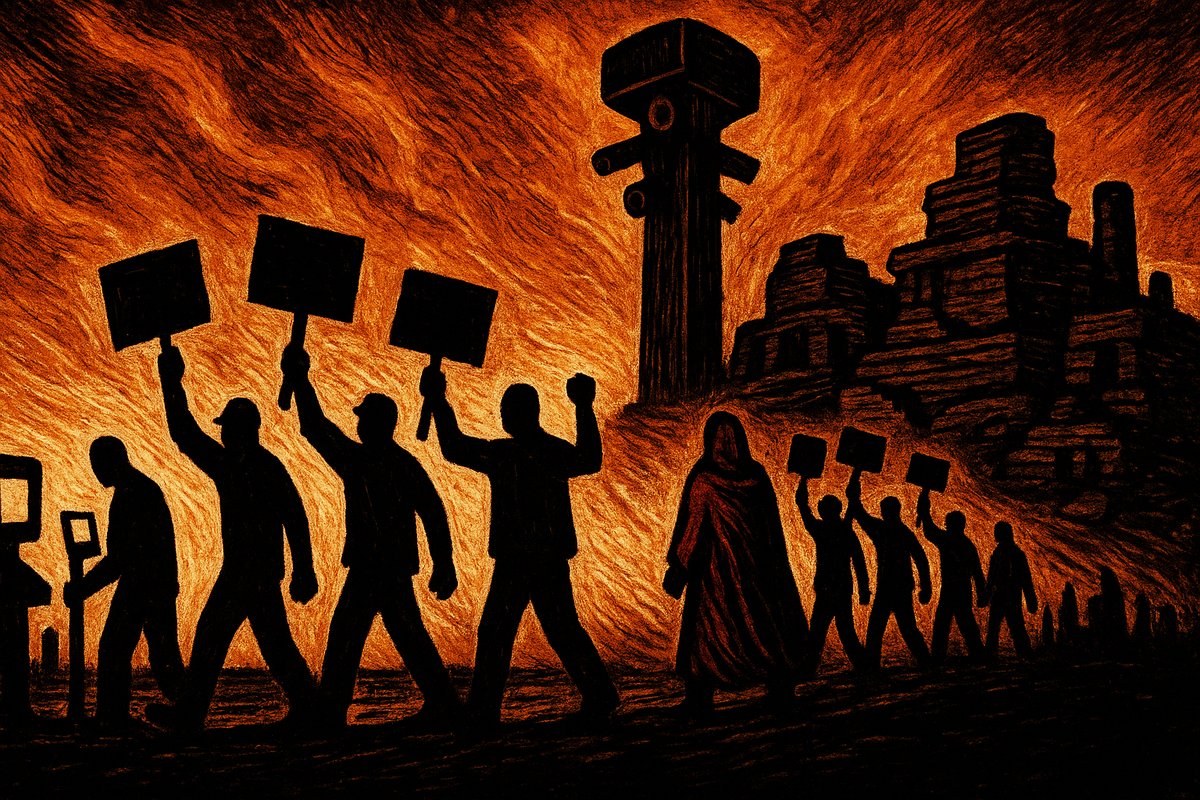
On September 2, 2026, morning-shift workers at the Amazon DJT6 warehouse in Riverside, California, walked off their scanning stations. Their evening-shift counterparts chose not to clock in. Together they coordinated a one-day strike spanning both shifts, something unprecedented at that facility. The signs were blunt. "Amazon is bargaining in bad faith."
A one-day strike is modest measured against Amazon's logistical scale: it doesn't halt operations entirely, nor does it generate losses significant enough to dent quarterly reports. This action at DJT6 matters because it reveals a pattern recurring across modern labor organizing — winning the union election is only the beginning of the hard part.
Nine months earlier, DJT6 workers voted to join the Teamsters. The victory generated press releases and statements about a turning point in the sector's labor organizing. The expectation was that legal recognition would bring a collective contract within a reasonable timeframe. That contract is still nowhere in sight. There's no public draft, no signing date, no consensus on the actual negotiating timeline. That prolonged administrative silence has become the center of the story.
Why does Amazon take so long to sign a contract when it has more than enough capacity to do so? The obstacle lies in incentives: dragging out talks costs less than conceding on wages, conditions, or operational control. Every month without a contract erodes the energy the union had on the day of its victory. The company doesn't need to force anything. It just needs the process to stall.
For Amazon, each warehouse operates as an isolated bargaining unit. A victory at DJT6 doesn't compel changes at other facilities. The Teamsters have spent years trying to reverse the decline of unions in logistics, a sector Amazon came to dominate precisely by avoiding organization for decades. The coordination between shifts in this strike wasn't accidental. It shows the union is willing to escalate tactically even with limited resources. Public visibility becomes its main lever in the absence of strong regulatory pressure.
Amazon doesn't manage its workforce through supervisors and HR policies alone. Systems that measure every second of productivity generate automatic alerts at any deviation from the expected pace. They document behavior with a granularity no previous union has ever confronted. These models weren't designed exclusively to contain union organizing, but they function as a structural disincentive. Coordinating a conversation about union membership on the floor becomes risky. Algorithmic surveillance doesn't replace traditional containment tactics. It complements them and hides them from the public record.
Who ends up writing the real terms of automation at work? The Generosity in the Doorway explores precisely that dispute, one that is never settled in public debates about regulation. It gets defined shift after shift, at the bargaining table. Unions that have managed to limit the power of automation didn't do so through external regulators. They achieved it by negotiating concrete clauses on technology, consent, and hiring. Amazon has yet to arrive at that table with DJT6. The September 2 strike is an attempt to force exactly that conversation.
What comes next remains uncertain. The Teamsters warned that lack of progress could lead to broader actions, possibly coordinated with other warehouses currently in active campaigns. Amazon hasn't offered concrete dates for resuming formal negotiations. Consulting firms specializing in lawful union containment have clear incentives to keep the stalemate going. Every month without an agreement means billable hours for them.
Workers who leave. Energy that dissolves. The pattern repeats. Starbucks Workers United won union recognition at hundreds of stores between 2021 and 2024. Years passed, with repeated rulings from the National Labor Relations Board, before the first pilot contracts appeared. One hundred fourteen years earlier in Lawrence, Massachusetts, textile workers sustained prolonged strikes in the street. They didn't wait for paperwork. They generated sustained physical pressure to win concessions that no good-faith negotiation would ever have granted.
This constant measurement transforms the shop floor in ways few previous unions ever had to face. Every pause gets logged. Every conversation becomes calculated. That changes the rules of organized human resistance.
I still don't know how this tension will play out in the long run. The task was never going to be simple.
The real question is whether organized resistance can rewrite the rules that algorithms have already set for every shift.
Sources
1. Public reports on the Amazon DJT6 strike in Riverside, California (September 2, 2026)
2. Historical record of the Teamsters union election at DJT6 (December 2025)
3. NLRB precedents in the Starbucks Workers United case (2021-2024)