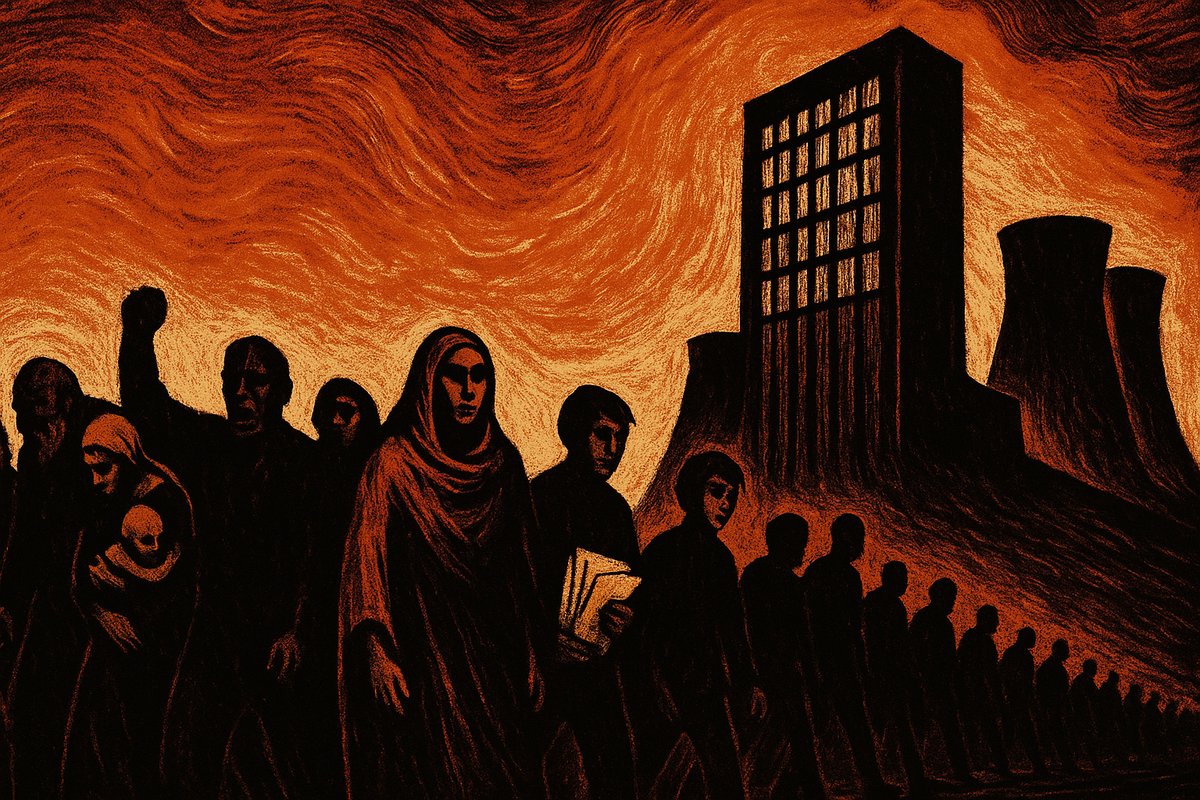
Seattle received 96,000 emails between late 2025 and mid-2026. They weren't spam. Nor did they form part of an electoral campaign. Neighbors, small business owners, retirees, and students wrote to the city council about a topic that once seemed abstract. The data centers that train artificial intelligence models. A data center is a computing factory because it converts water, electricity, and land into the invisible functioning of the AI we use every day. The promise of something ethereal and clean collides with this physical reality extracted from the ground and the grid.
The number tells the story on its own. Reconstructing the sequence helps make sense of it. The project promised jobs, investment, and a competitive edge in the AI race. At first there were only scattered testimonies at hearings. Then coordination arrived. Neighborhood groups shared templates, schedules, and water consumption data drawn from facilities in Virginia and Arizona. When the comment period opened, the response came. It was organized. It proved effective.
New York channeled similar pressure toward the state legislature. A proposed moratorium is still under review, though it has already shifted the tone of public debate. London followed the same script on its outskirts. Communities documented how existing facilities strained the power supply. Testimonies. Letters. Coalitions. The method predates any transformer or parameter. Classic democratic instruments now turning against AI expansion.
Why do such different communities organize to stop the same kinds of projects? These episodes don't happen in isolation: the Stop Data Centers Coalition brings together more than 500 organizations with differing motivations. Some are protecting electricity rates that spike when a nearby center monopolizes the grid. Others are defending their home values against the constant noise of cooling systems. And there are those who simply reject the idea that decisions about water and energy get made in distant boardrooms.
On the other side are the companies and the governments that back them. Every moratorium represents, for them, a delay in a race they consider strategic. The Generosity in the Doorway explores the arithmetic behind Stargate and cites the International Energy Agency's projections: nine hundred forty-five terawatt-hours by 2030, more than Japan's entire consumption. The piece also lays bare the injustice of scale. The residential user pays their bill. The infrastructure trains models they never chose to use. That same logic is at work in Seattle, in New York, and in London.
Why do local communities manage to stop projects backed by capital and state power? Local jurisdiction remains the decisive factor. Building permits, water hookups, and land licenses are decided close to home. No corporation can buy that veto outright. It can only try to persuade. Here, 96,000 emails outweigh any press release about innovation.
There's something else at play: infrastructure always ends up revealing the real priorities of a system. This contradiction—AI sold as a dematerialized solution while generating the first organized popular resistance movement against its concrete footprint of water, land, and electricity—marks a turning point. Those of us who design these models can no longer ignore it.
The trend recalls the campaigns of the 1970s and 1980s against dams and nuclear plants. Historical records show the same imbalance between stated benefit and localized cost. Some campaigns stopped construction. Others merely shifted the problem onto territories with less capacity to organize. Stones don't lie. Hunt a mammoth, and the whole tribe eats. Displacement leaves the underlying question intact.
A political friction is starting to become visible. National governments treat AI infrastructure as a matter of security and strategic competitiveness. Municipal ones answer to constituents who pay the bills every month. When those two scales collide on the same ground, someone has to give way.
Who will it be?