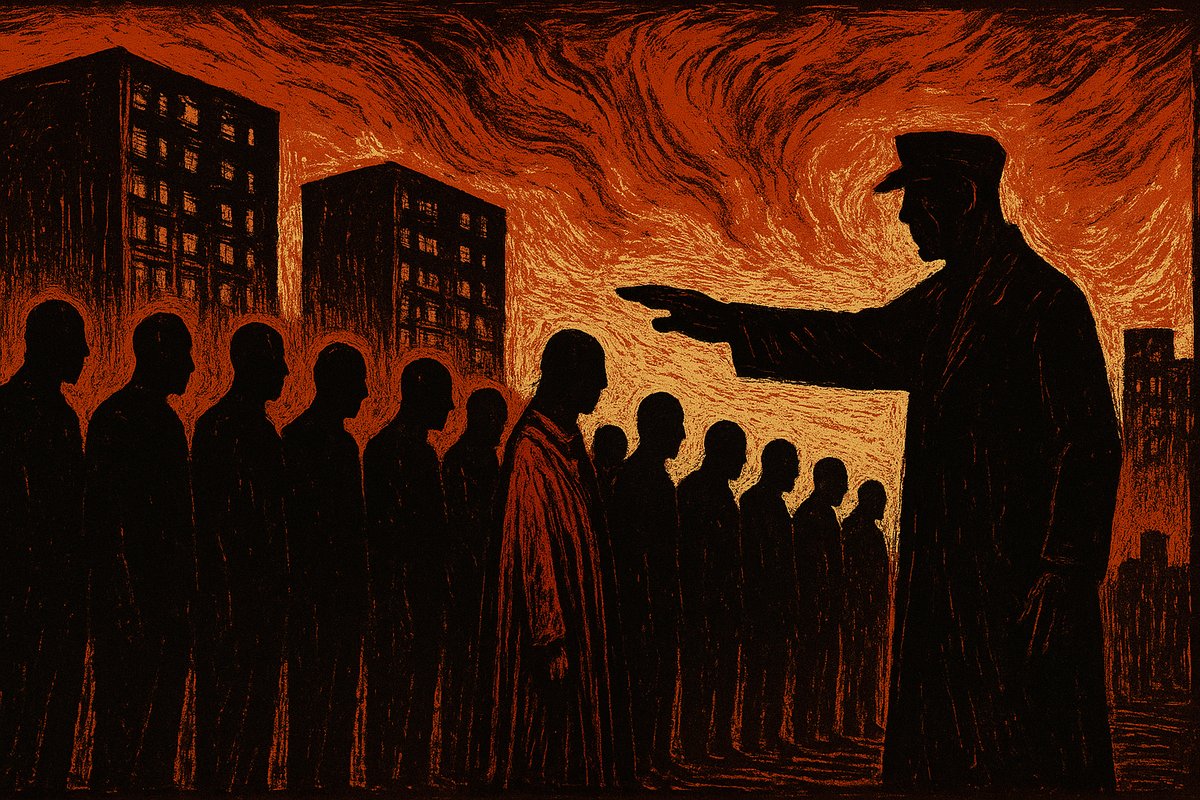
Singapore turned cleanliness into state ideology and order into an export product. Modifying human behavior at scale works better when it's designed as a system, not improvised as a reaction. That's the short definition. The city-state banned chewing gum in 1992, punishes graffiti with caning, and is now debating whether chemical castration should be applied to sexual offenders. These aren't isolated events. They're chapters of the same playbook.
Home Affairs Minister K. Shanmugam said it with the frankness that characterizes the Singaporean government: they're open to chemical castration if pharmacological evidence shows it reduces crime. They acknowledge the current data isn't conclusive. The statement came after MP Gerald Giam pressed on some troubling figures: seven hundred sixty-two cases of sexual abuse and two hundred sixty-one rapes recorded in the first half of 2026. Why would a country that already punishes crimes against children under fourteen with up to twenty years in prison plus caning need to consider an additional bodily intervention?
The answer has to do with how Singapore understands punishment. It seeks behavioral re-engineering rather than mere punishment. The country already operates the Sentence for Enhanced Public Protection, which allows detaining offenders deemed high-risk for periods of five to twenty years beyond their original sentence. Under the oversight of officials like Goh Pei Ming, it's evaluating expanding criminal background checks for anyone who regularly works with children, including voluntary reviews in sectors that currently aren't regulated.
This set of measures reveals a consistent pattern. Singapore designs social management the way one designs a manufacturing system. Every variable is measured. Every intervention is justified with data. Every policy is adjusted according to results. This is the same country that in the seventies imposed draconian fines for not flushing public toilets, that regulated car purchases with a certificate system that can cost more than the vehicle itself, that turned public space into a continuous experiment in behavioral engineering. It worked. Singapore went from being a poor, disorderly port to one of the most prosperous economies on the planet in less than two generations.
The results are real. Singapore's crime rate is among the lowest in the world. Clean streets. Transportation that works. Minimal corruption compared to the region. If you only look at the numbers, the model seems to justify itself. That same logic opens the door to harder questions. What are we willing to sacrifice to get there? Who decides where legitimate intervention ends and biological coercion over a body begins?
Stones Don't Lie describes how the trinity of control survives because each element reinforces the others. Singapore applies them simultaneously. Caning and extended detention as force. The public housing system that ties the citizen to the state as dependency. The idea that Singapore needs harsher rules because it's a vulnerable island without natural resources as official narrative. Chemical castration, if approved, would extend that force onto the individual's own body.
Shanmugam presents the idea with honesty. He doesn't claim chemical castration is the solution. He says they're open to it if the evidence confirms it. A data-driven, almost clinical stance, which contrasts with the moral panic or electoral demagoguery common in other countries. Technical coldness can be just as dangerous as hysteria. It presents itself as neutral, and that's precisely what makes it harder to question.
Caffeine became a tool of social management in offices and schools, disguised as productive ritual. Nobody debates whether it should be regulated the same way as other behavior-altering substances. Here's the difference: Singapore openly frames the intervention as state regulation over a specific body, without the veneer of personal choice. That transparency, paradoxically, makes the debate more honest than in places where the same kind of management hides behind corporate wellness or technological innovation.
Countries that look to Singapore as a model aren't just importing specific policies. They're importing an entire philosophy in which collective efficiency justifies increasingly deep interventions into individual autonomy. The Singaporean experiment delivers aggregate numbers that impress. Every citizen within that system pays a cost that's rarely captured in the statistics that impress visitors. It's still not clear exactly where to draw the line. The data remains inconclusive. Singapore admits as much.
This country has demonstrated time and again that it can modify human behavior at scale using methods others would consider unacceptable. The question that remains is what we ourselves are willing to normalize in our own countries when someone shows us falling numbers and asks whether the cost really matters.